What is MTL and DTL Vaping? A Complete Australian Guide

What is MTL and DTL Vaping? A Complete Australian Guide
⚠️ Important (Australia, 2026): Nicotine vaping products in Australia require a valid prescription from an authorised prescriber under TGA rules. Most non-prescription disposable vapes are prohibited. This article is educational only — it is not medical advice and does not replace consultation with a GP or Quitline (13 7848).
1. Quick definition: MTL vs DTL
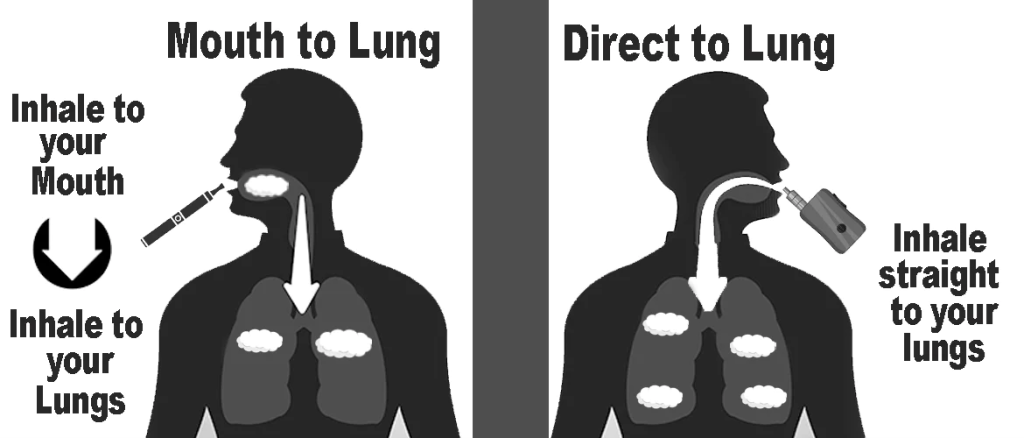
MTL (Mouth-to-Lung) is an inhalation technique where vapour is first drawn into the mouth, held briefly, then inhaled into the lungs — similar to how most people smoke a cigarette.
DTL (Direct-to-Lung), sometimes called “sub-ohm” vaping, draws vapour directly into the lungs in one continuous breath. It produces larger clouds and a smoother, cooler sensation.
RDL (Restricted Direct-to-Lung) is a hybrid sitting between the two, common in modern pod mods.
| Feature | MTL (Mouth-to-Lung) | DTL (Direct-to-Lung) | RDL (Restricted DTL) |
|---|---|---|---|
| Inhalation path | Mouth → lungs | Straight to lungs | Mouth → lungs (mild) |
| Airflow | Tight, restricted | Wide, open | Medium |
| Coil resistance | Above 1.0 Ω (typically 1.0–1.8 Ω) | Below 1.0 Ω (typically 0.15–0.5 Ω) | 0.5–1.0 Ω |
| Wattage range | 7–15 W | 40–120 W+ | 15–30 W |
| Vapour production | Low | Very high | Moderate |
| Throat hit | Strong, cigarette-like | Smooth, airy | Mild to moderate |
| E-liquid ratio (PG/VG) | 50/50 or higher PG | 70/30 VG-heavy | 50/50 to 70/30 |
| Best nicotine format | Nicotine salts (20 mg/mL max in AU) | Nicotine-free short-fills (AU legal) | Either, depending on device |
| Typical devices | Pod systems, pen-style, MTL tanks | Box mods, sub-ohm tanks | Pod mods with adjustable airflow |
2. How MTL vaping feels
MTL replicates the mechanical rhythm of smoking: a short, restricted draw, vapour pooling in the mouth, then a deeper inhale. Two practical consequences:
- Higher nicotine delivery per puff. Because the vapour sits in the mouth before reaching the lungs, nicotine salts at lower wattage feel closer to a cigarette’s absorption curve.
- Lower cloud volume. The discreet plume is why MTL dominates stealth-vaping contexts.
Most pod systems, MTL tanks on small mods, and slim pen-style devices are designed for this style.
2.1 MTL device specs to look for
- Coil resistance: 1.0–1.8 Ω
- Airflow control: tight (small cyclonic or single small hole)
- Wattage: 7–15 W
- E-liquid: 50/50 PG/VG, nicotine salts
3. How DTL vaping feels
DTL bypasses the mouth — the vapour goes straight into the lungs with one deep breath. The result is smoother, cooler and cloudier.
- Lower nicotine per puff. The vapour dilutes quickly across the lungs, so DTL devices are paired with low-strength or nicotine-free e-liquid (in Australia, freebase nicotine is restricted; legal short-fills are typically 0 mg).
- High cloud volume. Cloud chasing and trick performances require DTL.
3.1 DTL device specs to look for
- Coil resistance: 0.15–0.5 Ω (sub-ohm)
- Airflow: wide, often dual cyclonic slots
- Wattage: 40–120 W (or higher on regulated mods)
- E-liquid: 70/30 VG-heavy, nicotine-free short-fills (AU legal)
⚠️ In Australia, nicotine-containing e-liquid for DTL devices is prescription-only. DTL setups without a prescription should use nicotine-free short-fills.
4. E-liquid pairing: nicotine salts vs freebase
| Format | Best paired with | Nicotine strength (AU legal) | Absorption feel |
|---|---|---|---|
| Nicotine salts | MTL pod devices | Up to 20 mg/mL (prescription) | Smoother at higher mg, faster uptake |
| Freebase nicotine | Restricted / older devices | Prescribed only | Harsher at high mg, slower uptake |
| Nicotine-free short-fills | DTL sub-ohm | 0 mg (legal over the counter) | No nicotine — flavour only |
PG (propylene glycol) carries flavour and throat hit. VG (vegetable glycerin) produces vapour. MTL liquids are typically 50/50; DTL liquids are 70/30 or higher VG.
5. Which style suits you?
A simple decision tree:
- You smoked within the last 12 months and want a similar ritual: Start with MTL and nicotine salts (prescribed, ≤ 20 mg/mL in AU). Most people transitioning off cigarettes report MTL is easier to stick with.
- You want maximum flavour and cloud production, and don’t need nicotine: Choose DTL with a 0 mg short-fill.
- You want a balance: RDL on a pod mod (e.g., devices with adjustable airflow) gives both styles in one device.
For smokers aiming to quit, Australia’s approved first-line pharmacotherapies (NRT patches/gum, varenicline, bupropion) remain the most clinically supported options. Vaping is not currently an approved cessation therapy in Australia; consult a GP or Quitline (13 7848) before substituting.
6. Australian regulations (2026 update)
Australia regulates nicotine vaping more strictly than most comparable markets. As of 2026:
- All nicotine vaping products require a prescription from an authorised prescriber (TGA).
- Disposable vapes (non-prescription) are prohibited under the 2024 reforms.
- Flavours, packaging and advertising are restricted; only mint, menthol and tobacco flavours may be sold in some retail channels.
- Personal importation is restricted to a 3-month supply with a valid prescription.
- State laws vary. Some states (e.g., Western Australia) apply additional restrictions on retail display and possession.
For the latest, see the TGA nicotine vaping hub and your state health department.
7. Health and safety considerations
- Short-term: throat irritation, cough, dry mouth — usually resolve with hydration and lower wattage.
- Long-term: the health effects of vaping beyond 5 years are still being studied. Vaping is not risk-free, but Public Health England’s 2022 evidence review and subsequent peer-reviewed work consistently find it substantially less harmful than combustible cigarettes for adult smokers who switch completely.
- Cardiovascular: nicotine raises heart rate and blood pressure. People with cardiovascular conditions should consult a GP.
- Lung health: vitamin E acetate and other cutting agents have been linked to lung injury in the 2019 US outbreak — buy only from reputable AU suppliers that publish ingredient lists.
- Adolescents and non-smokers: do not start. Nicotine affects adolescent brain development.
If you experience chest pain, persistent cough or breathing difficulty, stop vaping and consult a GP.
8. Frequently asked questions
Is MTL better for quitting smoking than DTL?
For adult smokers transitioning off cigarettes, MTL with nicotine salts tends to deliver a more cigarette-like throat hit at lower wattage, which many ex-smokers prefer. However, neither style is an approved Australian smoking cessation therapy. Speak with your GP or call Quitline on 13 7848.
What wattage should I start with for MTL?
Most MTL coils are rated between 7 and 15 W. Start at the lower end of the coil’s recommended range and increase by 1–2 W until flavour is satisfying without burning.
Can I use DTL e-liquid in an MTL device?
No. High-VG liquids are too thick for small MTL coils and will not wick properly, leading to dry hits and coil damage.
Which style produces more vapour?
DTL produces significantly more vapour because of higher wattage, larger airflow and sub-ohm coils.
Is vaping legal in Australia?
Vaping without nicotine is legal in most states for adults 18+. Vaping with nicotine requires a TGA-authorised prescription.
What does “sub-ohm” mean?
Sub-ohm refers to any coil with resistance below 1.0 Ω. Sub-ohm coils require more power and produce more vapour, so they are used for DTL vaping.
Does MTL use more e-liquid than DTL?
The opposite is true. DTL devices consume noticeably more e-liquid per puff because of higher wattage and larger vapour production.
What’s the difference between MTL, DTL and RDL?
MTL = mouth-to-lung (tight draw, cigarette-like). DTL = direct-to-lung (open draw, sub-ohm, large clouds). RDL = restricted direct-to-lung — a hybrid that sits between the two.
9. References and further reading
- Therapeutic Goods Administration (TGA). Nicotine vaping products: information for prescribers. tga.gov.au
- Cancer Council Australia. Position statement on e-cigarettes. cancer.org.au
- Quit Victoria / Quitline. 13 7848. quit.org.au
- Royal Australian College of General Practitioners (RACGP). Supporting smoking cessation: a guide for health professionals.
- McNeill A, et al. Vaping in England: an evidence update. Office for Health Improvement and Disparities, 2022.
- National Health and Medical Research Council (NHMRC). CEO statement on e-cigarettes.
10. About the author
VapeOz publishes educational content to help Australian adult vapers make informed decisions. We do not sell nicotine products without a prescription and we do not market to minors.
Disclaimer: This article is for educational purposes only. It is not medical, legal or cessation advice. Always consult a qualified Australian healthcare professional before making decisions about nicotine use or smoking cessation.
Related Articles
Anna • 8 min read
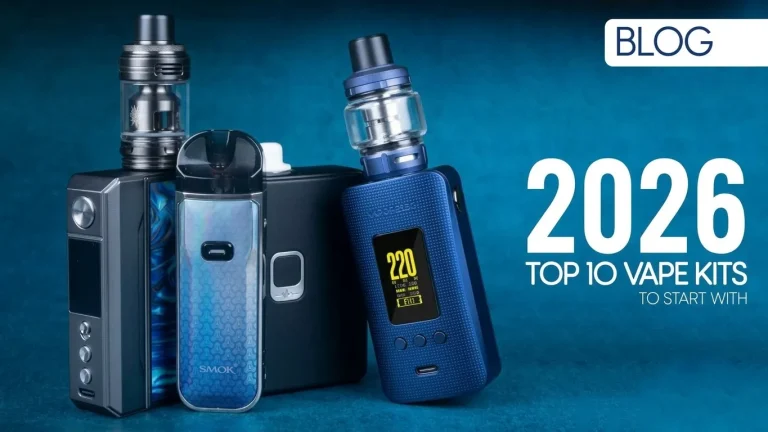
How We Picked the Best Vapes Australia 2026 The original “best vapes of 2023” list focused on refillable pod systems and box mods, but the Australian vaping market has shifted dramatically since then. With the 2026 disposable vape boom and the TGA’s 2024 scheduling changes restricting nicotine e-liquid sales, most adult Australian vapers now reach
Anna • 7 min read
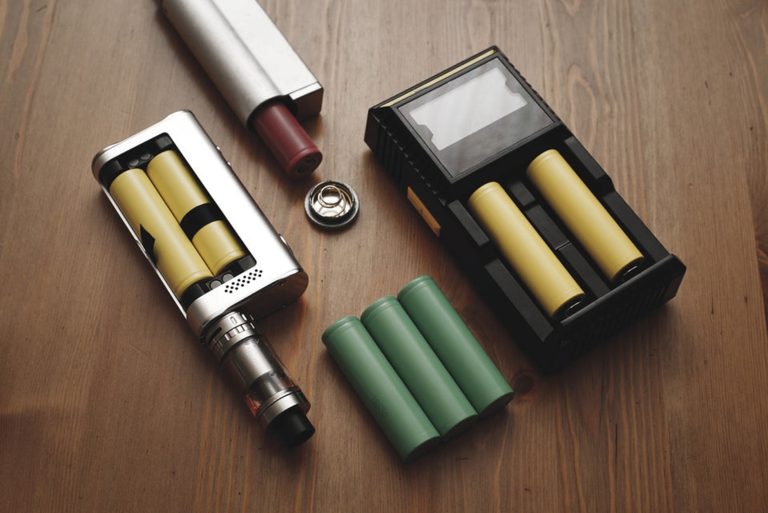
Why Vape Battery Safety Matters More Than You Think Vape battery safety is one of the most overlooked aspects of responsible vaping. While most modern devices include built-in protection circuits, the difference between a safe charging habit and a risky one can mean the difference between a battery that lasts 12 months and one that
Anna • 6 min read
Australia Vape Ban 2026: The Current State Explained Australia vape ban 2026 has reshaped the local vaping market, but it’s not the outright prohibition many adult vapers feared back in 2023. Three years after the original regulatory shake-up, the rules have settled into a more nuanced framework — and the good news for adult vapers
Anna • 8 min read
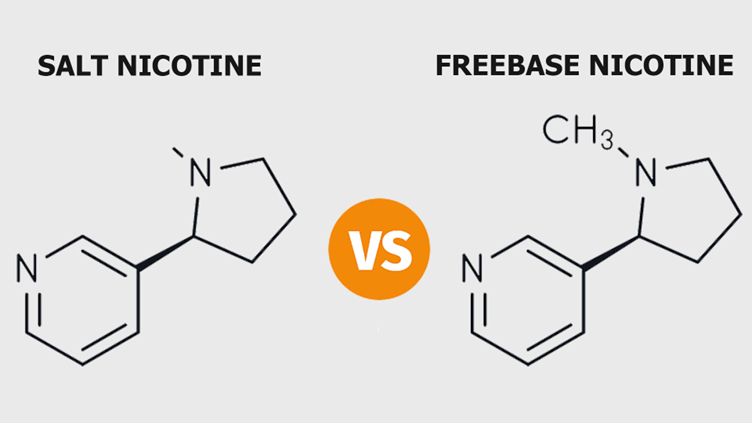
Freebase vs Nicotine Salts: An Introduction Freebase vs nicotine salts is one of the most common questions Australian vapers ask when choosing an e-liquid. While both deliver nicotine through vapor, they differ significantly in how they feel, what devices they work with, and who they’re best suited for. At VapeOz, we stock 30+ disposable vape