
Vape Battery Safety – 7 Essential Charging Tips & Best Practices for Australian Vapers

Why Vape Battery Safety Matters More Than You Think
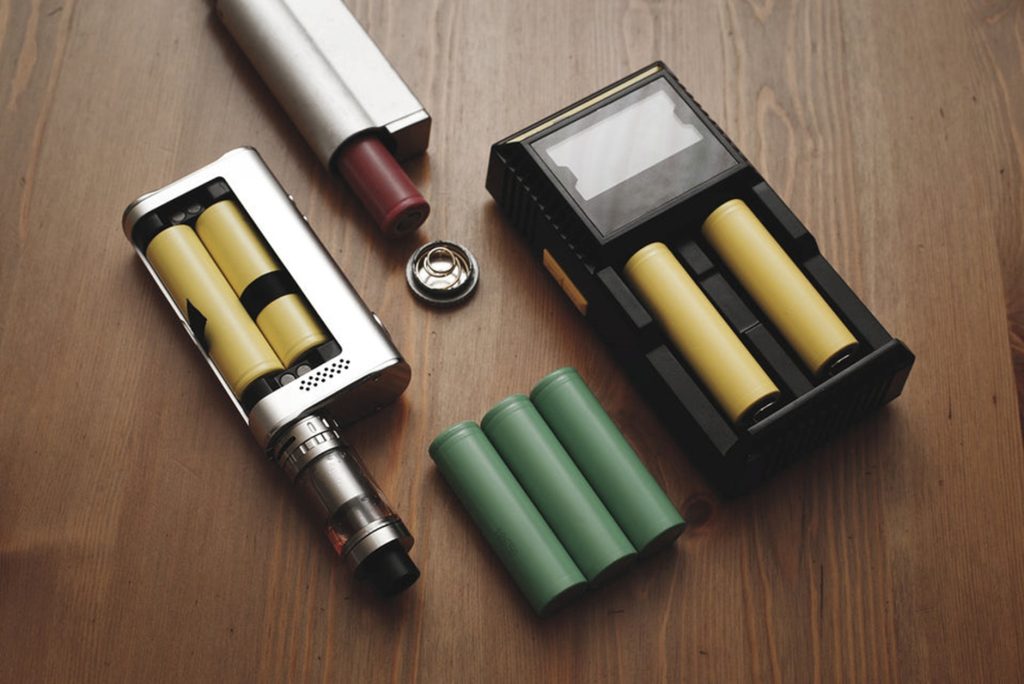
Vape battery safety is one of the most overlooked aspects of responsible vaping. While most modern devices include built-in protection circuits, the difference between a safe charging habit and a risky one can mean the difference between a battery that lasts 12 months and one that fails prematurely — or worse, vents. Whether you’re charging a high-wattage mod with 18650 cells, topping up a pod system, or charging a disposable vape, the fundamentals stay the same. This guide covers the 7 essential tips Australian vapers need to know to charge safely, extend battery life, and avoid the most common mistakes. We’ll also break down the external charger vs in-mod charging debate so you can pick the right setup for your device.
External Charger vs In-Mod Charging: Pros and Cons Compared
Before diving into the safety tips, let’s settle the most common vape battery safety question: should you charge your batteries externally in a dedicated charger, or charge them inside the mod via USB? Both methods are safe when done correctly, but they have different trade-offs.
External Charging (Dedicated Char3ger)
External charging means removing the batteries from your mod and charging them in a standalone charger. Most serious vapers with mods that use replaceable 18650 or 21700 cells prefer this method.
Pros:
- Safer – Dedicated chargers include overcharge protection, reverse polarity protection, and short-circuit protection, reducing the risk of venting.
- Faster – External chargers typically charge at higher current than in-mod USB ports, cutting charge time by 30-50%.
- Longer battery life – Charging outside the device generates less heat, which is the #1 cause of premature battery degradation.
- Multi-bay charging – Most external chargers support 2-8 batteries simultaneously, ideal for multi-battery mods.
- Better monitoring – Quality chargers show real-time voltage per slot, letting you spot weak cells before they become a problem.
Cons:
- Extra upfront cost (AUD $30-80 for a quality charger)
- Less convenient when travelling — you need to carry the charger, batteries, and a case
In-Mod Charging (USB)
In-mod charging means topping up your device’s internal or installed battery via USB-C or micro-USB without removing the cells. This is the default for most pod systems and many modern regulated mods.
Pros:
- Convenient – Charge anywhere with a standard USB cable
- Portable – No need to carry an extra charger or spare batteries
- Great for casual users – Perfect if you only have one device and don’t want extra gear
Cons:
- More heat – Charging inside the mod generates more heat, which degrades battery cells faster
- Slower – USB charging circuits are usually limited to 1-2A vs 2-3A on external chargers
- Safety depends on the device – Cheap, unregulated mods may lack proper overcharge and short-circuit protection
- No cell monitoring – You can’t see individual cell voltages, so a weak cell can go undetected
7 Essential Vape Battery Safety Tips
Follow these 7 essential vape battery safety practices every time you charge:
1. Only Use High-Quality, Authentic Batteries
Buy from reputable brands like Sony, Samsung, LG, or Molicel. Counterfeit batteries are one of the leading causes of vape battery incidents. Check for proper wrapping, manufacturer date codes, and buy from trusted Australian retailers — never random overseas marketplaces.
2. Inspect Batteries Before Every Charge
Look for torn wraps, dents, leaks, or unusual smell. If a battery’s wrap is damaged, re-wrap it immediately or replace it. A torn wrap can cause a short circuit against the metal body of the mod. Damaged batteries should be recycled at any B-cycle drop-off point — never thrown in household rubbish.
3. Never Leave Batteries Charging Unattended
This is the #1 rule of vape battery safety. Charge on a non-flammable surface (tile, metal tray), away from flammable materials, and never while sleeping. Most battery incidents happen during overnight unattended charging.
4. Use the Right Charger for Your Battery Type
Different chemistries (IMR, INR, ICR) and sizes (18650, 20700, 21700) require different charging profiles. A quality external charger auto-detects the chemistry and adjusts current accordingly. Using the wrong charger — especially for damaged or mismatched cells — is a fire risk.
5. Don’t Mix Old and New Batteries in the Same Mod
If your mod uses two or more batteries, always use matched cells from the same brand, same age, and same charge level. Mismatched batteries create uneven discharge, which stresses cells and dramatically increases the risk of venting.
6. Avoid Charging in Extreme Temperatures
Don’t charge batteries in direct sunlight, in a hot car, or below freezing. The ideal charging temperature is 10-30°C. Heat accelerates battery degradation, and cold can cause lithium plating that permanently reduces capacity.
7. Replace Batteries Every 6-12 Months
Even well-maintained batteries lose capacity and increase internal resistance over time. If your mod’s battery life has dropped noticeably, or your batteries are over a year old, replace them. A $15-20 battery is cheaper than a $300 mod.
How to Tell If a Vape Battery Is Failing
Recognising the warning signs of a failing battery is a critical part of vape battery safety. Common symptoms include:
- Shorter runtime – Fully charged battery dies much faster than when new
- Hot to the touch – Battery or mod gets unusually warm during use or charging
- Visible damage – Swelling, leaks, punctures, or torn wraps
- Won’t hold charge – Battery drops from full to empty within hours, or won’t charge above a certain percentage
- Mod warning messages – Many regulated mods display “Battery Low” or “Check Battery” alerts when internal resistance is too high
If you notice any of these signs, stop using the battery immediately, place it in a non-conductive container, and recycle it properly at a B-cycle collection point or any Aldi / Battery World store. Never throw lithium batteries in regular bins.
Charging Safety for Disposable Vapes (IGET, Alibarbar, Groo & More)
Disposable vapes like IGET, Alibarbar, and Groo have built-in, non-replaceable batteries, so the vape battery safety rules are slightly different. You can’t swap the cells, but you still need to charge them correctly.
Tips for charging disposable vapes:
- Use the USB-C cable included or a reputable equivalent — avoid dollar-store cables
- Don’t charge overnight — most disposables are fully charged in 30-60 minutes
- Don’t charge near flammable surfaces
- Stop using the device if it gets unusually hot, makes a hissing sound, or smells burnt
- Once the device is dead (no vapor production even after charging), recycle the whole unit at a B-cycle drop-off point — don’t bin it
Modern disposables like the IGET Bar Pro 10000 and Alibarbar Ingot 9000 use protected lithium-polymer cells with overcharge and short-circuit protection built into the device, so they charge safely when used as intended. Just stick to the basic rules and you’ll be fine.
Vape Battery Safety – Frequently Asked Questions
Quick answers to the most common vape battery safety questions Australian vapers ask our team.
Is it safe to charge a vape overnight?
No. Vape battery safety guidelines from every reputable manufacturer recommend not leaving batteries charging unattended, and definitely not overnight while you sleep. Charge only when you’re awake, on a non-flammable surface, and unplug once full. Most quality mods and disposables are fully charged in 1-2 hours.
Can I use any USB cable to charge my vape?
Not safely. Use the cable that came with the device, or a reputable equivalent from a known brand. Cheap dollar-store cables often lack proper data-line protection, which means the mod can’t communicate with the charger to negotiate the correct current — a real vape battery safety risk that can damage cells or trigger overheating.
Are external battery chargers worth the cost?
Yes, especially if you use a mod with replaceable 18650 or 21700 cells. A $50 external charger pays for itself in 6-12 months by extending battery life, and the safety benefits (overcharge protection, cell monitoring) significantly outweigh the cost. For pod system and disposable users, in-mod charging is fine.
What should I do with old vape batteries?
Recycle them at any B-cycle drop-off point, Battery World store, or Aldi (which accepts all household batteries). Never throw lithium batteries in regular household waste — they can cause fires in garbage trucks and landfill sites. In Australia, B-cycle has drop-off points at most major retailers.
Why does my vape battery die so fast?
Common causes: battery is old and needs replacing, you’re using a high-wattage setting that drains cells faster, cold weather reducing battery efficiency, or the device has a parasitic drain (mod still drawing power when off). A failing battery is the most common cause, and replacing it usually fixes the issue. As a rule of thumb, replace mod batteries every 6-12 months to keep vape battery safety and runtime at their best.
Related Articles
Anna • 8 min read
How We Picked the Best Vapes Australia 2026 The original “best vapes of 2023” list focused on refillable pod systems and box mods, but the Australian vaping market has shifted dramatically since then. With the 2026 disposable vape boom and the TGA’s 2024 scheduling changes restricting nicotine e-liquid sales, most adult Australian vapers now reach
Anna • 6 min read
Australia Vape Ban 2026: The Current State Explained Australia vape ban 2026 has reshaped the local vaping market, but it’s not the outright prohibition many adult vapers feared back in 2023. Three years after the original regulatory shake-up, the rules have settled into a more nuanced framework — and the good news for adult vapers
Anna • 8 min read
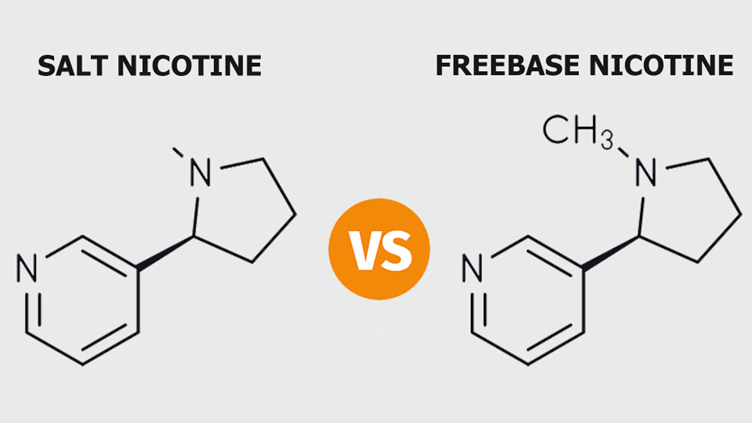
Freebase vs Nicotine Salts: An Introduction Freebase vs nicotine salts is one of the most common questions Australian vapers ask when choosing an e-liquid. While both deliver nicotine through vapor, they differ significantly in how they feel, what devices they work with, and who they’re best suited for. At VapeOz, we stock 30+ disposable vape