Is Vaping Safer Than Smoking? What the 2027 Evidence Says

Is Vaping Safer Than Smoking? What the 2027 Evidence Says
⚠️ Australia 2027: Nicotine vapes require a TGA prescription. Most disposables have been banned since 1 January 2024. This article is educational — not medical advice. Call Quitline 13 7848 for cessation support.
1. Quick answer
Is vaping safer than smoking? Yes — substantially — but only for adult smokers who completely substitute vaping for cigarettes. The 2022 Public Health England review estimated vaping carries less than 5% of the risk of smoking.
For non-smokers and adolescents, the answer is different: don’t start. Vaping is not risk-free, and the long-term effects beyond ~10 years are still being studied.
If you’re asking “is vaping safer than smoking” because you want to quit, the evidence supports considering vaping as a second-line cessation aid — but only after first-line therapies (varenicline, NRT, bupropion) and GP guidance.
2. How “safer” is measured
When we ask “is vaping safer than smoking”, scientists answer with three kinds of evidence:
- Chemical comparison — number and concentration of toxicants in vape aerosol vs cigarette smoke.
- Biomarker studies — measured levels of toxins in the body (urine, blood, breath).
- Population outcomes — actual disease rates in vapers vs smokers over time.
All three converge on the same answer: is vaping safer than smoking? Yes, by a wide margin. But “safer” is not the same as “safe”, and the population a person belongs to matters.
3. The chemical picture
Cigarette smoke contains over 7,000 chemicals, including ~70 known carcinogens. Vape aerosol contains ~100 chemicals at much lower concentrations. The most harmful smoke compounds (tar, carbon monoxide, formaldehyde at smoke-level doses) are either absent or present at less than 1% of smoke concentrations (PHE 2018; Goniewicz 2014).
Is vaping safer than smoking when measured this way? Yes — by a factor of roughly 20× to 100× on most toxicant measures.
4. Is vaping nicotine effective for quitting?
The 2022 Cochrane review of 78 studies (Hartmann-Boyce et al.) found that nicotine vaping is more effective than nicotine replacement therapy (NRT) for smoking cessation. Six randomised controlled trials showed vaping helped 8–12 smokers quit per 100, compared with 6 per 100 for NRT.
Key caveats:
- Effectiveness rises with behavioural support (counselling, Quitline follow-up).
- Dual use (vape + still smoke occasionally) does not produce the same benefits.
- Long-term quit rates at 12+ months are similar between vaping and NRT — neither is a magic fix.
In Australia, the RACGP 2024 Supporting Smoking Cessation guideline lists nicotine vaping as a second-line option for adults who have not succeeded with first-line pharmacotherapies. It is not an approved cessation therapy.
5. What the evidence does NOT say
“Is vaping safer than smoking?” has a clear answer — but several related claims do not:
- Vaping does not make non-smokers nicotine-free.
- Vaping does not reverse existing smoking-related disease.
- Vaping has not been studied for safety in pregnancy.
- “Safer than smoking” is not the same as “safe”.
If you don’t smoke, do not start vaping. If you’re pregnant, the safest option is to avoid both cigarettes and vapes.
6. Risks, unknowns and contested claims
Even with “is vaping safer than smoking” answered with “yes”, real risks remain:
- Cardiovascular — Nicotine raises heart rate and blood pressure. Long-term cardiovascular risk of vaping alone is still being mapped.
- Lung health — Vaping is associated with cough and throat irritation. The 2019 US EVALI outbreak was traced to vitamin E acetate in illicit THC cartridges, not nicotine vapes from regulated suppliers.
- Adolescent brain — Nicotine affects the developing brain. Non-smokers under 25 should not vape.
- Dependence — Roughly 60% of regular vapers remain nicotine-dependent long-term.
These are why regulators restrict vaping — to maximise benefit for adult smokers while limiting adolescent uptake.
7. Who should NOT vape nicotine
- Non-smokers (especially under 25)
- Pregnant or breastfeeding people
- People with unstable cardiovascular disease (consult a GP first)
- Adolescents and children
For these groups, “is vaping safer than smoking” is the wrong question. They should not be vaping at all.
8. Australian regulations (2027)
Australia’s nicotine vaping rules are among the strictest in the world:
- Nicotine vapes require a TGA prescription from an authorised prescriber — see TGA nicotine vaping products hub.
- Disposable vapes are prohibited from 1 January 2024.
- Personal importation is capped at 3 months’ supply with a valid prescription.
- State variations apply (e.g., Western Australia has additional retail restrictions).
For non-prescription use, only nicotine-free e-liquid may be sold.
Cancer Council Australia recommends adult smokers who have not quit with first-line therapies discuss nicotine vaping with their GP. For free cessation support, Quitline on 13 7848 offers confidential counselling.
9. How to use this guide
Educational only. If you’re a smoker considering vaping, here’s the order most supported by evidence:
- Speak with your GP or call Quitline (13 7848).
- Try approved first-line pharmacotherapies first (NRT, varenicline, bupropion).
- If those don’t work, ask your GP about a nicotine-vape prescription.
- Aim for complete substitution — not dual use with cigarettes.
Is vaping safer than smoking? Yes — but only complete substitution, in the right population, under medical guidance, meaningfully reduces harm.
10. Frequently Asked Questions
Is vaping safer than smoking cigarettes?
Yes, substantially. The 2022 OHID review estimated vaping carries less than 5% of the risk of smoking for adult smokers who switch completely. Vaping is not risk-free, but chemical and biomarker evidence is consistent across multiple international reviews. Is vaping nicotine effective for quitting smoking?
The 2022 Cochrane review found vaping is more effective than nicotine replacement therapy for smoking cessation. However, it is not an approved cessation therapy in Australia. Speak with your GP or call Quitline on 13 7848 about the option that suits your situation. What are the long-term effects of vaping nicotine?
Long-term data beyond ~10 years is still being collected. Current evidence suggests significantly lower risk than smoking, but not zero. Cardiovascular and chronic respiratory effects of vaping alone are still being studied in large cohorts. Can non-smokers vape nicotine?
No. Non-smokers — especially adolescents and young adults — should not start vaping. Nicotine is addictive and affects brain development in people under 25. Is vaping safe during pregnancy?
No. Vaping during pregnancy is not considered safe. The safest option is to be smoke-free and vape-free. Speak with your GP or call Quitline on 13 7848 for pregnancy-specific cessation support. Does vaping cause popcorn lung?
No clear evidence links regulated nicotine vapes to bronchiolitis obliterans (“popcorn lung”). Diacetyl, historically associated with the condition, has been removed from most e-liquids. Smoking is a far greater risk factor for popcorn lung than vaping. Is vaping safer than smoking for someone with asthma?
Switching from cigarettes to vaping generally improves asthma symptoms, but vaping is not risk-free for asthmatics. Speak with your GP before making any changes to your routine. How much safer than smoking is vaping, exactly?
The 2022 OHID review estimated less than 5% of smoking-related risk. The 2016 Royal College of Physicians report estimated long-term risk as “unlikely to exceed 5%” of smoking-related harm. Both figures assume complete substitution in adult smokers — not dual use.
11. About the medical reviewer
VapeOz publishes educational content to help Australian adult smokers make informed decisions. We do not sell nicotine products without a prescription and we do not market to minors.
12. References
- Hartmann-Boyce J, et al. Electronic cigarettes for smoking cessation. Cochrane Database of Systematic Reviews, 2022.
- Office for Health Improvement and Disparities (OHID). Vaping in England: an evidence update. 2022.
- Royal College of Physicians. Nicotine without smoke: tobacco harm reduction. London: RCP, 2016.
- National Health and Medical Research Council (NHMRC). CEO statement on electronic cigarettes. 2023 update.
- Royal Australian College of General Practitioners (RACGP). Supporting smoking cessation: a guide for health professionals. 2024 update.
- Therapeutic Goods Administration (TGA). Nicotine vaping products: information for prescribers. tga.gov.au
- Cancer Council Australia. Position statement on e-cigarettes. cancer.org.au
- Quit Victoria. Quitline information. 13 7848. quit.org.au
- Goniewicz ML, et al. Levels of selected carcinogens and toxicants in vapour from electronic cigarettes. Tob Control, 2014.
- IARC Monographs on the evaluation of carcinogenic risks to humans. 2012.
Disclaimer: Educational only. Not medical, legal or cessation advice. Always consult a qualified Australian healthcare professional before making decisions about nicotine use or smoking cessation.
Related Articles
Anna • 4 min read
What is MTL and DTL Vaping? A Complete Australian Guide ⚠️ Australia 2027: Nicotine vaping requires a TGA prescription7Most disposables are banned. This article is educational — not medical advice.Call Quitline 13 7848 for cessation support. 1. What MTL and DTL Vaping Actually Means MTL and DTL vaping are the two main inhalation styles every
Anna • 8 min read
How We Picked the Best Vapes Australia 2026 The original “best vapes of 2023” list focused on refillable pod systems and box mods, but the Australian vaping market has shifted dramatically since then. With the 2026 disposable vape boom and the TGA’s 2024 scheduling changes restricting nicotine e-liquid sales, most adult Australian vapers now reach
Anna • 7 min read
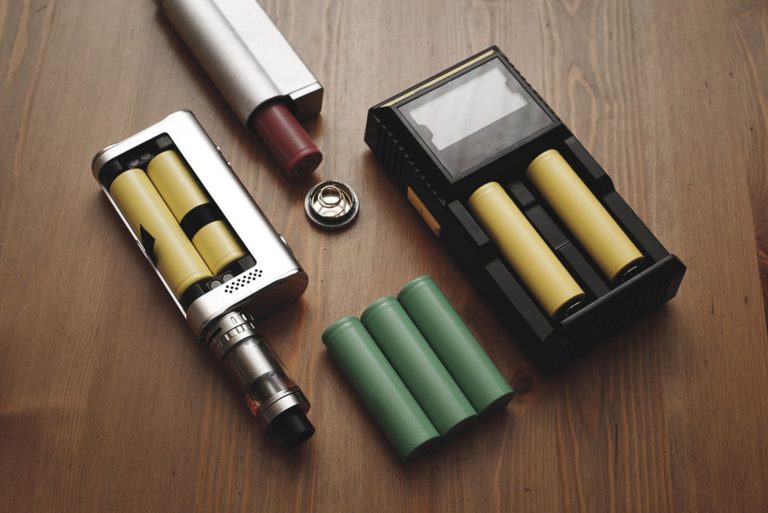
Why Vape Battery Safety Matters More Than You Think Vape battery safety is one of the most overlooked aspects of responsible vaping. While most modern devices include built-in protection circuits, the difference between a safe charging habit and a risky one can mean the difference between a battery that lasts 12 months and one that
Anna • 6 min read
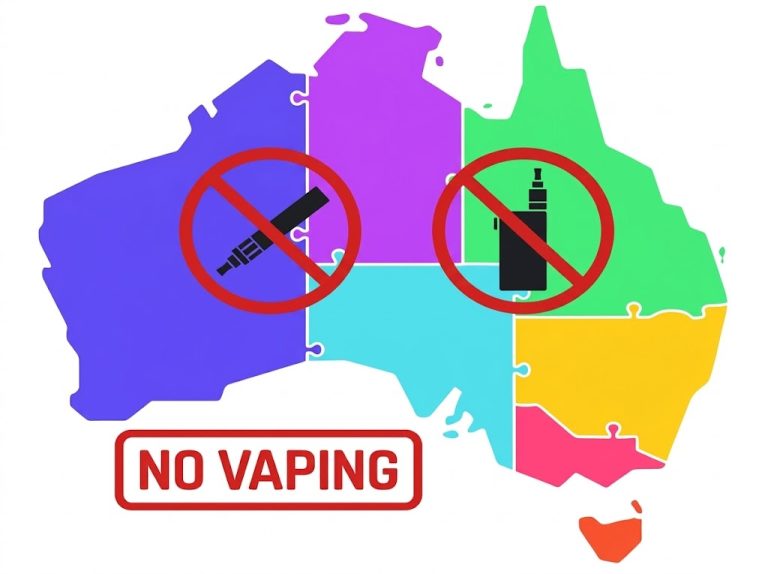
Australia Vape Ban 2026: The Current State Explained Australia vape ban 2026 has reshaped the local vaping market, but it’s not the outright prohibition many adult vapers feared back in 2023. Three years after the original regulatory shake-up, the rules have settled into a more nuanced framework — and the good news for adult vapers
Anna • 8 min read
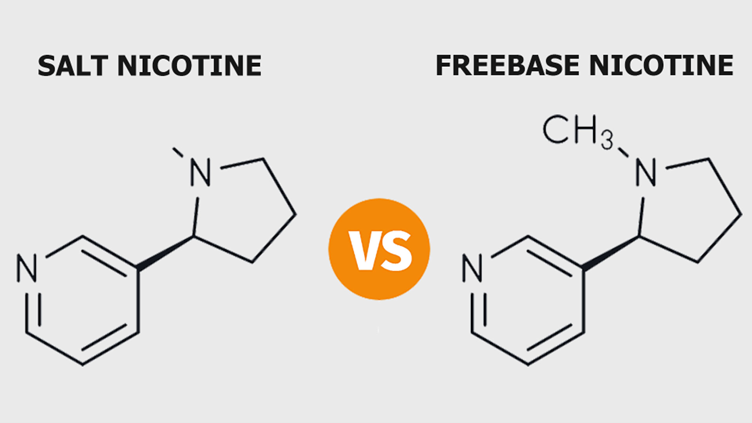
Freebase vs Nicotine Salts: An Introduction Freebase vs nicotine salts is one of the most common questions Australian vapers ask when choosing an e-liquid. While both deliver nicotine through vapor, they differ significantly in how they feel, what devices they work with, and who they’re best suited for. At VapeOz, we stock 30+ disposable vape