Vape Nicotine Strength: Best 2027 Australian Guide
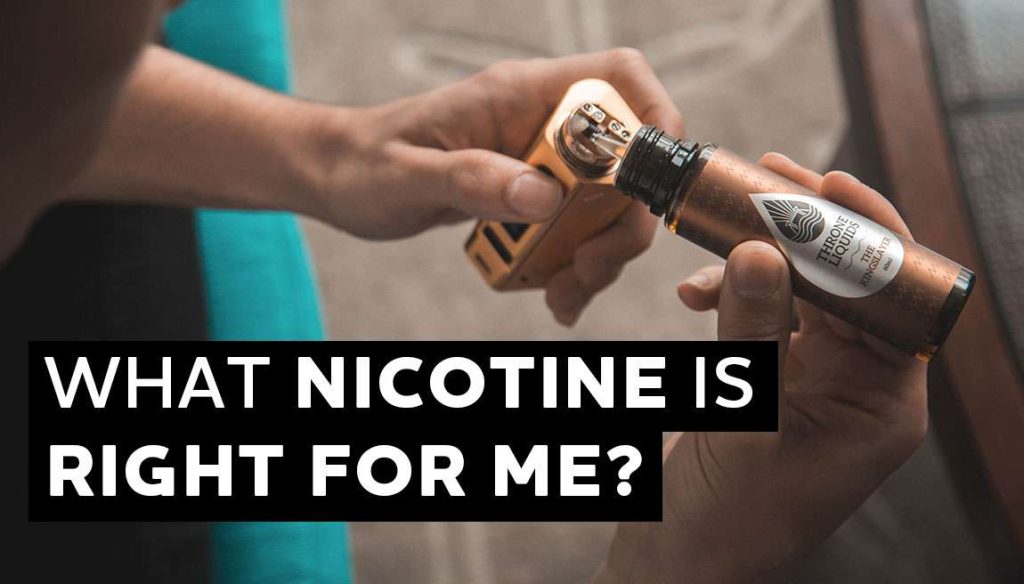

Vape Nicotine Strength: Best 2027 Australian Guide
⚠️ Australia 2027: Nicotine-containing e-liquid requires a TGA prescription. Nicotine concentration is capped at 20 mg/mL in finished products. DIY mixing of nicotine base is restricted under prescription. This article is educational — not medical advice. Call Quitline 13 7848 for cessation support.
1. Quick summary
Vape nicotine strength is the concentration of nicotine in e-liquid, measured in milligrams per millilitre (mg/mL). Australian law caps finished products at 20 mg/mL, and access requires a TGA prescription.
The most common choices in 2027 are:
- 20 mg/mL nicotine salts — typical starting point for adult smokers switching from cigarettes (pod systems).
- 10–12 mg/mL freebase — for moderate former smokers or step-down from salts.
- 3–6 mg/mL freebase — for lower-strength maintenance.
- 0 mg/mL (nicotine-free) — for adult vapers who have weaned off nicotine.
The right vape nicotine strength depends on three factors: your previous smoking level, the device you use (pod vs sub-ohm), and the nicotine format (salt vs freebase). Choosing correctly matters — too little risks relapse to cigarettes; too much causes nausea, headache and over-nicotinization.
For a deeper dive on devices, see our MTL and DTL vaping guide.
2. Australian regulations (read this first)
Before talking about nicotine strength, the legal framework:
- Nicotine vape nicotine strength in finished products is capped at 20 mg/mL under the Therapeutic Goods and Other Legislation Amendment (Vaping Reforms) Act 2024. Higher-concentration “nicotine shots” for DIY mixing are restricted.
- All nicotine-containing vapes require a TGA prescription from an authorised prescriber — see the TGA nicotine vaping hub.
- Personal importation is capped at 3 months’ supply under prescription.
- Disposable vapes are banned entirely from 1 January 2024 — see our disposable vapes Australia guide.
The remainder of this article assumes you are using prescribed or nicotine-free products through legal Australian channels.
3. The vocabulary of e-liquid
You’ll meet these terms when choosing vape nicotine strength. They’re simpler than they look.
3.1 PG (Propylene Glycol)
A thin, odourless liquid used in food, pharma and inhaled products. PG carries flavour efficiently and produces a pronounced throat hit. Higher-PG e-liquids (50/50 PG/VG) suit MTL pod systems.
3.2 VG (Vegetable Glycerin)
A thicker, slightly sweet liquid. VG produces visible vapour (clouds) and a softer throat hit. Higher-VG e-liquids (70/30 VG/PG) suit sub-ohm DTL devices.
3.3 Throat hit
The catch/scratch sensation at the back of the throat when vapour lands there. Cigarette smokers typically describe this as “satisfying” — and look for it in vaping. Nicotine salts at adequate strength reproduce this most closely.
3.4 Freebase nicotine
The original form of nicotine used in vaping. Freebase has a higher pH, which produces a more pronounced throat hit at any given strength. It’s what most early-generation e-liquids used.
3.5 Nicotine salts
A different chemical form made by combining nicotine with an organic acid (commonly benzoic acid). Nicotine salts allow higher mg/mL concentrations without the harshness of freebase — which is why they dominate the Australian pod-system market.
For a deeper comparison, see our freebase vs nicotine salts guide.
4. Nicotine types compared
| Feature | Freebase | Nicotine salts |
|---|---|---|
| pH | Higher (more alkaline) | Lower (closer to neutral) |
| Throat hit at 20 mg/mL | Harsh | Smoother |
| Absorption | Slightly slower | Faster (closer to cigarette uptake) |
| Best for | Lower-strength (3–12 mg/mL), DTL sub-ohm | Higher-strength (10–20 mg/mL), MTL pod systems |
| Common forms | 50/50 PG/VG, 70/30 VG | 50/50 PG/VG pod liquids |
| AU availability | Nicotine-free short-fills + prescription | Mostly prescription |
In Australia 2027, most adult smokers transitioning off cigarettes start with nicotine salts at 20 mg/mL in an MTL pod system, then step down over weeks or months.
5. How to choose your vape nicotine strength
The right nicotine strength depends on three variables. Use them as a decision tree.
5.1 Start with how much you smoked
| Smoking level | Cigarettes per day | Suggested starting strength |
|---|---|---|
| Light | < 10/day | 10–20 mg/mL salts (MTL) |
| Moderate | 10–20/day | 20 mg/mL salts (MTL) |
| Heavy | > 20/day | 20 mg/mL salts (MTL) — discuss with GP |
| Non-smoker | 0 | 0 mg/mL — do not start |
5.2 Match to device type
| Device | Airflow | Coil | Recommended strength |
|---|---|---|---|
| MTL pod system | Tight | 0.8–1.4 Ω | 10–20 mg/mL salts |
| MTL tank on small mod | Tight | 1.0–1.8 Ω | 6–12 mg/mL freebase |
| DTL sub-ohm | Open | 0.15–0.5 Ω | 0–6 mg/mL freebase |
Pod systems deliver nicotine more efficiently per puff than sub-ohm tanks — which is why higher mg/mL is appropriate for pods and lower mg/mL for sub-ohm.
For a technical breakdown of airflow and coil resistance, see our MTL and DTL vaping guide.
5.3 Step-down strategy
Once the worst cravings are past 4–6 weeks, many vapers step down gradually:
- 20 mg/mL → 10 mg/mL (over 2–4 weeks)
- 10 mg/mL → 6 mg/mL (over 2–4 weeks)
- 6 mg/mL → 0 mg/mL (over 2–4 weeks) — optional
A GP or Quitline counsellor can help you pace this safely. See our how to quit smoking guide for the broader quit plan.
6. Safety: nicotine toxicity and over-nicotinization
Vape nicotine strength matters because nicotine is biologically active at low doses. Common signs of too much:
- Nausea, dizziness, headache
- Sweating or rapid heartbeat
- Throat irritation or harsh cough
- “Buzzing” or jittery feeling
If you experience these, switch to a lower strength, take a break, and drink water. Persistent symptoms warrant a GP visit.
Nicotine poisoning from oral or skin contact with high-concentration nicotine base is a medical emergency. Symptoms include vomiting, salivation, abdominal pain, weakness, and (in severe cases) seizures. Call the Poisons Information Centre on 13 11 26 immediately.
This is why DIY mixing of nicotine base is restricted in Australia. High-concentration nicotine (≥100 mg/mL) is hazardous to handle without training and proper PPE. Do not buy or use unprescribed nicotine base.
7. Frequently Asked Questions
What’s the highest vape nicotine strength available in Australia?
Australian law caps nicotine concentration in finished vaping products at 20 mg/mL. Higher-concentration nicotine base (used for DIY mixing) is restricted to prescribed access only. This cap took effect under the 2024 vaping reforms.
Is 20 mg/mL nicotine strong for a beginner?
For adult smokers transitioning off cigarettes, 20 mg/mL nicotine salts in an MTL pod system is the standard starting strength. For non-smokers or those sensitive to nicotine, this would be too strong — start at 0 mg/mL or do not vape at all.
What’s the difference between freebase and nicotine salts?
Freebase nicotine has a higher pH and a harsher throat hit at any given strength. Nicotine salts are smoother at higher strengths and absorb slightly faster, mimicking cigarette uptake more closely. Most Australian pod-system e-liquids use nicotine salts; most DTL sub-ohm setups use freebase.
How much nicotine is in one cigarette?
A typical Australian cigarette delivers roughly 1–2 mg of absorbed nicotine to the smoker (from ~10–15 mg of nicotine in the tobacco). This is the rough benchmark used in the cigarette-equivalence table above when choosing a starting vape nicotine strength.
Can I mix my own nicotine e-liquid at home in Australia?
DIY mixing of high-concentration nicotine base is restricted in Australia without prescription. Even with prescription, handling concentrated nicotine carries poisoning risk. If you want a specific nicotine strength in your e-liquid, see your GP or pharmacist about prescribed products.
What nicotine strength should I use for a pod system?
Most pod systems are designed for 20 mg/mL nicotine salts, which approximates the nicotine delivery of a pack-a-day cigarette habit. For light smokers, 10 mg/mL may be sufficient.
Can I overdose on vape nicotine?
You cannot overdose fatally on legal Australian 20 mg/mL e-liquid under normal use. Over-nicotinization (nausea, headache, dizziness) is uncomfortable but not dangerous at legal strengths. The poisoning risk is from concentrated nicotine base, which is restricted in Australia.
How do I step down from 20 mg/mL nicotine?
The standard approach is to halve the strength every 2–4 weeks once cravings are under control: 20 → 10 → 6 → 0 mg/mL. Combine with behavioural support from Quitline (13 7848) for best results. There is no requirement to reach 0 mg/mL — staying at a comfortable low dose is a valid long-term option.
8. References
- Therapeutic Goods Administration (TGA). Nicotine vaping products: information for prescribers. tga.gov.au
- Royal Australian College of General Practitioners (RACGP). Supporting smoking cessation: a guide for health professionals. 2024 update.
- National Health and Medical Research Council (NHMRC). CEO statement on electronic cigarettes. 2023 update.
- Cancer Council Australia. Position statement on e-cigarettes. cancer.org.au
- Benowitz NL. Nicotine pharmacology. Clin Pharmacol Ther, 2016.
- Hartmann-Boyce J, et al. Electronic cigarettes for smoking cessation. Cochrane Database of Systematic Reviews, 2022.
- Quit Victoria / Quitline. 13 7848. quit.org.au
- Australian Poisons Information Centre. 13 11 26.
Disclaimer: Educational only. Not a substitute for medical, toxicological or cessation advice. Always consult a qualified Australian healthcare professional before making decisions about nicotine use, e-liquid preparation, or smoking cessation.
Related Articles
Anna • 9 min read
How to Quit Smoking: The Complete Australian Guide ⚠️ Australia 2027: Quitting smoking is one of the most important health decisions an Australian smoker can make. This article is educational — it is not a substitute for medical advice. Call Quitline 13 7848 for free, confidential support, or speak with your GP. 1. Quick summary
Anna • 9 min read
What Is Vaping? The Complete Australian Guide ⚠️ Australia 2027: All nicotine vapes require a TGA prescription. Non-prescription disposables are banned. This article is educational — not medical advice. Call Quitline 13 7848 for cessation support. Do not vape if you are under 18, pregnant, or a non-smoker. 1. Quick summary What is vaping? Vaping
Anna • 8 min read
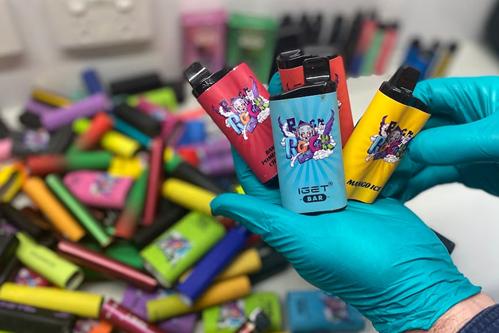
Disposable Vapes Australia 2027: The Complete Safety Guide ⚠️ Australia 2027: Non-prescription disposable vapes are banned under reforms that took effect 1 January 2024. Possession or supply without authorisation can attract civil penalties and criminal charges under state laws. This article is educational. 1. Quick summary Disposable vapes Australia are illegal to sell or supply
Anna • 7 min read
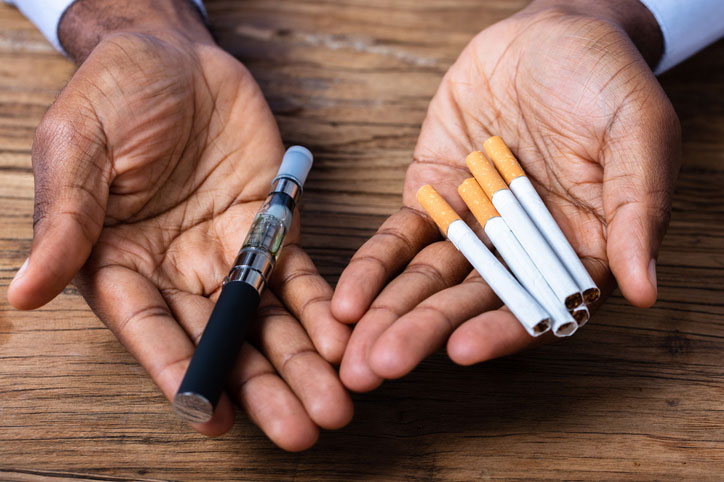
Is Vaping Safer Than Smoking? What the 2027 Evidence Says ⚠️ Australia 2027: Nicotine vapes require a TGA prescription. Most disposables have been banned since 1 January 2024. This article is educational — not medical advice. Call Quitline 13 7848 for cessation support. 1. Quick answer Is vaping safer than smoking? Yes — substantially —
Anna • 4 min read
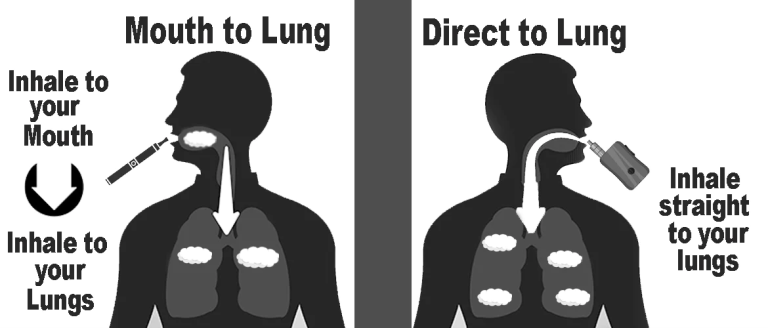
What is MTL and DTL Vaping? A Complete Australian Guide ⚠️ Australia 2027: Nicotine vaping requires a TGA prescription7Most disposables are banned. This article is educational — not medical advice.Call Quitline 13 7848 for cessation support. 1. What MTL and DTL Vaping Actually Means MTL and DTL vaping are the two main inhalation styles every
Anna • 8 min read
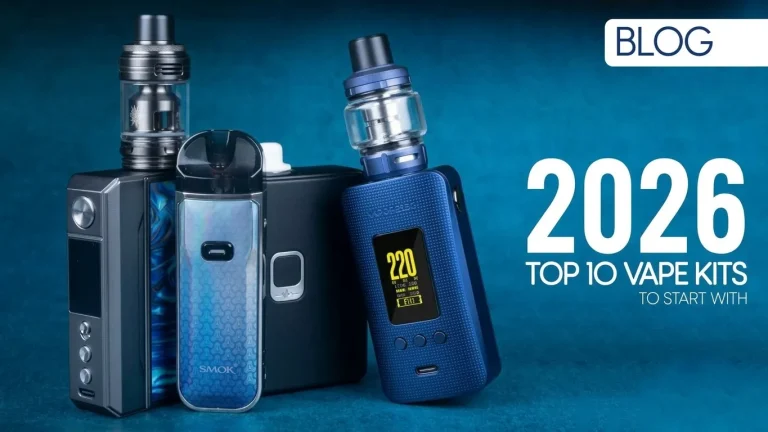
How We Picked the Best Vapes Australia 2026 The original “best vapes of 2023” list focused on refillable pod systems and box mods, but the Australian vaping market has shifted dramatically since then. With the 2026 disposable vape boom and the TGA’s 2024 scheduling changes restricting nicotine e-liquid sales, most adult Australian vapers now reach