How to Quit Smoking: The Complete Australian Guide

How to Quit Smoking: The Complete Australian Guide
⚠️ Australia 2027: Quitting smoking is one of the most important health decisions an Australian smoker can make. This article is educational — it is not a substitute for medical advice. Call Quitline 13 7848 for free, confidential support, or speak with your GP.
1. Quick summary
How to quit smoking in Australia in 2027? The most effective method is a combination of pharmacotherapy and behavioural support. The Royal Australian College of General Practitioners (RACGP) recommends this combination as first-line treatment in its 2024 Supporting Smoking Cessation guideline.
The two most effective single interventions are:
- Varenicline (Champix) — up to 3× as effective as unaided quitting.
- Combined NRT (patch + fast-acting form) — roughly 1.5–2× as effective as unaided quitting.
Adding behavioural counselling (Quitline 13 7848, GP-guided plans, or face-to-face support) doubles the success rate again.
Free, confidential help is one call away: Quitline 13 7848.
2. Why quitting matters: benefits and timeline
The health gains of quitting are large and start almost immediately:
| Time after quitting | Health benefit |
|---|---|
| 20 minutes | Heart rate and blood pressure begin to drop |
| 12 hours | Carbon monoxide levels in blood normalise |
| 2 weeks – 3 months | Circulation and lung function improve |
| 1–9 months | Coughing and shortness of breath decrease |
| 1 year | Risk of coronary heart disease cuts in half |
| 5 years | Stroke risk falls to that of a non-smoker |
| 10 years | Lung cancer death rate halves vs continuing smoker |
| 15 years | Coronary heart disease risk matches a never-smoker |
Quitting at any age produces measurable benefits. Even people who quit after a cancer diagnosis improve survival.
3. The evidence-based quitting methods (what actually works)
Australian and international guidelines agree on four evidence-based pillars. Stacking them improves success.
3.1 Nicotine Replacement Therapy (NRT)
NRT works by replacing the nicotine from cigarettes with a controlled, lower-dose delivery, while removing the harmful combustion products. It roughly doubles quit rates compared with going “cold turkey”.
NRT comes in two forms, and using both together is more effective than either alone:
- Slow-release — patches worn on the skin (16-hour or 24-hour).
- Fast-acting — gum, lozenges, inhalator, mouth spray.
In Australia, NRT is available over the counter at pharmacies. The RACGP 2024 guideline now recommends combined NRT as a first-line option for most smokers.
3.2 Varenicline (Champix / Chantix)
Varenicline is currently the most effective single pharmacotherapy for smoking cessation. It works in two ways: it partially activates nicotine receptors (reducing cravings) and blocks nicotine from cigarettes (reducing the reward of smoking).
The 2024 RACGP guideline lists varenicline as a first-line option. It requires a GP prescription. Common side effects include nausea and vivid dreams, but most users tolerate it well. Generic varenicline is now subsidised on the PBS for eligible patients.
Note: in late 2021, varenicline was briefly withdrawn worldwide due to nitrosamine contamination; manufacturing has since resumed under tighter quality controls. Always confirm current supply with your pharmacist.
3.3 Bupropion (Zyban)
Bupropion is an antidepressant repurposed as a smoking cessation aid. It roughly doubles quit rates compared with placebo and is a first-line option in the RACGP 2024 guideline. It is PBS-subsidised and requires a GP prescription.
It is not suitable for everyone — your GP will ask about seizure history, eating disorders and current mental health medications before prescribing.
3.4 Behavioural support and counselling
Behavioural support — practical counselling about triggers, routines, and coping — meaningfully improves quit rates when combined with pharmacotherapy. In Australia, the main free options are:
- Quitline 13 7848 — free, confidential telephone counselling available in multiple languages.
- GP guided quit plans — many GPs offer scheduled follow-ups and structured quit plans.
- My QuitBuddy app — Australian Government–funded app with progress tracking.
- Smoking cessation groups — face-to-face or online, often run by community health services.
For most people, the single highest-leverage step is calling Quitline on 13 7848.
3.5 Vaping as second-line therapy (Australia 2027)
Vaping nicotine is not an approved smoking cessation therapy in Australia. The RACGP 2024 guideline lists it as a second-line option for adults who have not succeeded with first-line pharmacotherapies (NRT, varenicline, bupropion).
If you and your GP consider vaping as part of a quit attempt, the pathway is:
- See an authorised prescriber for a prescription.
- Obtain product from a pharmacy or via personal importation under prescription.
- Aim for complete substitution — not dual use.
- Plan an end point with your GP.
For regulatory detail, see our disposable vapes Australia guide and our safety evidence review.
4. Step-by-step plan: how to quit smoking in Australia
A practical 14-day framework most Australian GPs use:
Days 1–3: prepare
- Set a quit date within the next 2 weeks.
- Identify your top triggers (after meals, with coffee, stress, alcohol, social).
- Remove cigarettes, lighters and ashtrays from home, car and workplace.
- Stock NRT (patch + fast-acting form) or arrange a GP appointment for varenicline or bupropion.
- Download the My QuitBuddy app or call Quitline 13 7848 to register for callback support.
Days 4–7: quit day
- Start pharmacotherapy the day before or on quit day as directed.
- Use fast-acting NRT at the strongest cravings (first thing in the morning, after meals).
- Tell friends, family and coworkers your quit date — social accountability helps.
- Drink water, chew sugar-free gum, do short walks when cravings peak (5–10 minutes).
Days 8–14: stabilise
- Cravings typically peak at day 3 and decline steadily after day 7.
- Track every smoke-free day in My QuitBuddy. Visual feedback matters.
- Avoid alcohol and other known triggers for the first month if possible.
- If you slip and have a cigarette, don’t restart the quit attempt — just note what triggered it and recommit.
Beyond day 14: long-term
- Continue pharmacotherapy for the full course (typically 8–12 weeks).
- Keep behavioural support active (Quitline callbacks, GP follow-up).
- Plan rewards at 1 month, 3 months, 6 months and 1 year.
- After 12 months, discuss a tapering plan with your GP if appropriate.
5. Dealing with relapse
Relapse is common — most successful quitters have multiple prior attempts. A slip is not a failure.
If you relapse:
- Don’t catastrophise — note what triggered the lapse.
- Restart pharmacotherapy if you stopped it.
- Re-contact Quitline 13 7848 or your GP for a reset plan.
- Try a different method if your last one didn’t work.
- Aim again — the evidence is consistent: each quit attempt increases the chance that the next one succeeds.
6. What doesn’t work (myth-busting)
| Method | What the evidence says |
|---|---|
| Going “cold turkey” without support | Effective for ~3–5% of unaided attempts; can work but rarely without any support |
| “Cutting down” before quitting | Less effective than setting a quit date and stopping |
| Switching to low-tar or “light” cigarettes | No measurable health benefit; marketing only |
| Nicotine-free e-cigarettes | Not approved for cessation; lower nicotine delivery makes them ineffective for withdrawal |
| Acupuncture / hypnosis / herbal remedies | Limited or no evidence of effectiveness |
| Willpower alone | Important but inadequate — most successful quitters used pharmacotherapy + support |
There is no shame in needing pharmacotherapy. Nicotine dependence is a chronic medical condition, not a willpower failure.
7. Australian support resources
- Quitline 13 7848 — free, confidential, multilingual support. First call typically takes 30 minutes.
- My QuitBuddy app — Australian Government Department of Health.
- Cancer Council — cancer.org.au for cancer-related smoking concerns.
- GP — your regular doctor for pharmacotherapy prescriptions.
- State-specific programs — most states have funded smoking cessation services.
For vaping regulations in 2027, see our disposable vapes Australia guide.
8. When to see a GP
Speak with your GP if:
- You’ve tried quitting before and relapsed.
- You smoke more than 10 cigarettes a day (most likely to benefit from varenicline).
- You have a chronic condition (heart, lung, mental health, pregnancy).
- You want a structured quit plan with follow-up.
- You’re a vaper considering switching to a regulated cessation pathway.
9. Frequently Asked Questions
What’s the most effective way to quit smoking in Australia?
The most effective method is a combination of pharmacotherapy and behavioural support. Varenicline (Champix) is the most effective single medication; combined NRT (patch + fast-acting form) is the most accessible first-line. Adding counselling (Quitline 13 7848) doubles the success rate again.
How long does it take to quit smoking?
Physical withdrawal symptoms typically peak at day 3 and ease substantially by week 2–4. Psychological cravings and habit triggers last longer — usually 8–12 weeks. Most relapse occurs in the first 3 months. Pharmacotherapy should be continued for 8–12 weeks to cover the hardest period.
Is vaping legal for quitting smoking in Australia?
Vaping with nicotine for smoking cessation is not an approved therapy in Australia. The RACGP 2024 guideline lists it as a second-line option for adults who have not succeeded with first-line pharmacotherapies, and it requires a TGA prescription. Speak with your GP if first-line options have not worked.
What does Quitline do?
Quitline (13 7848) is a free, confidential telephone counselling service staffed by trained Quit Specialists. They help you build a quit plan, advise on NRT, schedule call-backs during the hardest first weeks, and offer ongoing support. It is available in multiple languages. Your GP can also refer you.
What medications help you quit smoking?
Three prescription and over-the-counter options are first-line in Australia: Nicotine Replacement Therapy (NRT) patches, gum, lozenges and mouth spray — available over the counter; varenicline (Champix) — most effective single medication; bupropion (Zyban) — alternative first-line. Your GP can advise which is best for your situation.
Is it safe to quit smoking cold turkey?
Cold turkey works for some people — about 3–5% of unaided attempts succeed long-term. There is no health risk in stopping abruptly, though withdrawal symptoms are stronger than with pharmacotherapy. The RACGP and Quitline recommend using support regardless of method, because success rates are higher.
How does NRT work?
NRT replaces the nicotine your body gets from cigarettes with a controlled, lower dose delivered through skin (patch) or mouth (gum, lozenge, mouth spray). This eases withdrawal while you break the behavioural habit of smoking. Using a patch plus a fast-acting form together is more effective than either alone.
What are the side effects of varenicline?
Common side effects include nausea (taking it with food and water reduces this), vivid dreams, headaches and sleep disturbance. Most users tolerate varenicline well, and side effects usually ease after the first 2 weeks. Speak with your GP if side effects are persistent or severe.
How much does quitting smoking cost in Australia?
Many options are subsidised. NRT patches and gum are available over the counter at typical pharmacy prices (around AUD 5–10 per week for patches). Varenicline and bupropion are PBS-subsidised for eligible patients, meaning a maximum AUD 30.00 per script. Quitline (13 7848), My QuitBuddy, and most state cessation services are free.
10. References
- Royal Australian College of General Practitioners (RACGP). Supporting smoking cessation: a guide for health professionals. 2024 update.
- Hartmann-Boyce J, et al. Nicotine replacement therapy versus control for smoking cessation. Cochrane Database of Systematic Reviews, 2024.
- Hartmann-Boyce J, et al. Antidepressants for smoking cessation. Cochrane Database of Systematic Reviews, 2023.
- Cahill K, et al. Pharmacological interventions for smoking cessation: an overview and network meta-analysis. Cochrane Database, 2013.
- Therapeutic Goods Administration (TGA). Nicotine vaping products: information for prescribers. tga.gov.au
- Cancer Council Australia. Position statement on tobacco control. cancer.org.au
- Department of Health and Aged Care. My QuitBuddy app and Australian smoking cessation programs. health.gov.au
- Quit Victoria / Quitline 13 7848. quit.org.au
- US Surgeon General. The Health Consequences of Smoking — 50 Years of Progress. 2014.
Disclaimer: Educational only. Not a substitute for medical advice. Always consult a qualified Australian healthcare professional before making decisions about nicotine use, smoking cessation medications or vaping regulations in your state.
Related Articles
Anna • 9 min read
What Is Vaping? The Complete Australian Guide ⚠️ Australia 2027: All nicotine vapes require a TGA prescription. Non-prescription disposables are banned. This article is educational — not medical advice. Call Quitline 13 7848 for cessation support. Do not vape if you are under 18, pregnant, or a non-smoker. 1. Quick summary What is vaping? Vaping
Anna • 8 min read
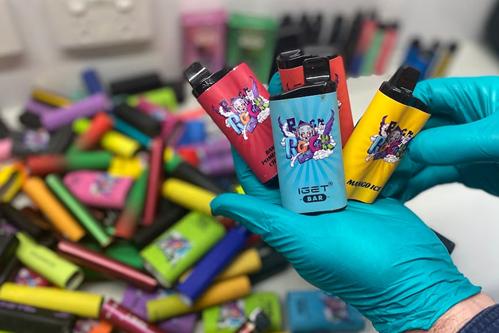
Disposable Vapes Australia 2027: The Complete Safety Guide ⚠️ Australia 2027: Non-prescription disposable vapes are banned under reforms that took effect 1 January 2024. Possession or supply without authorisation can attract civil penalties and criminal charges under state laws. This article is educational. 1. Quick summary Disposable vapes Australia are illegal to sell or supply
Anna • 7 min read
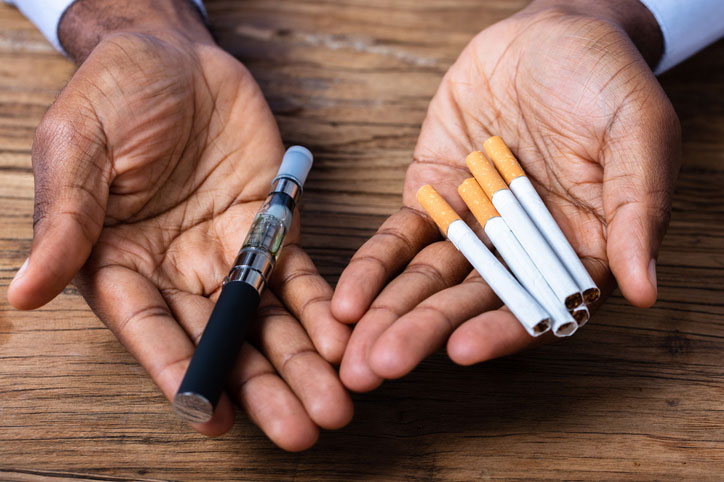
Is Vaping Safer Than Smoking? What the 2027 Evidence Says ⚠️ Australia 2027: Nicotine vapes require a TGA prescription. Most disposables have been banned since 1 January 2024. This article is educational — not medical advice. Call Quitline 13 7848 for cessation support. 1. Quick answer Is vaping safer than smoking? Yes — substantially —
Anna • 4 min read
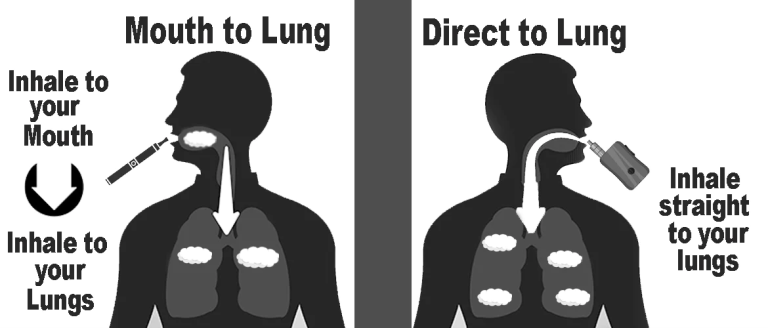
What is MTL and DTL Vaping? A Complete Australian Guide ⚠️ Australia 2027: Nicotine vaping requires a TGA prescription7Most disposables are banned. This article is educational — not medical advice.Call Quitline 13 7848 for cessation support. 1. What MTL and DTL Vaping Actually Means MTL and DTL vaping are the two main inhalation styles every
Anna • 8 min read
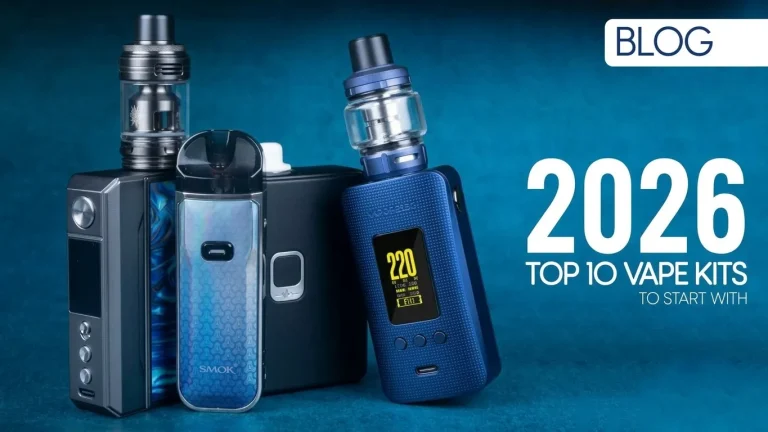
How We Picked the Best Vapes Australia 2026 The original “best vapes of 2023” list focused on refillable pod systems and box mods, but the Australian vaping market has shifted dramatically since then. With the 2026 disposable vape boom and the TGA’s 2024 scheduling changes restricting nicotine e-liquid sales, most adult Australian vapers now reach
Anna • 7 min read
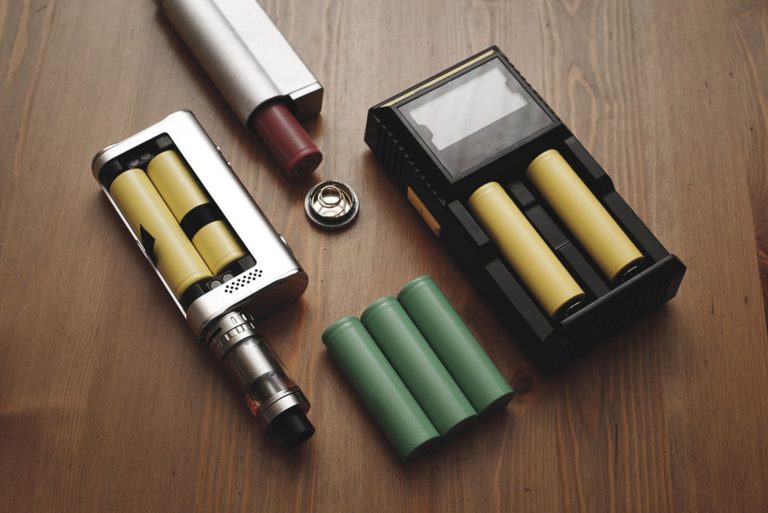
Why Vape Battery Safety Matters More Than You Think Vape battery safety is one of the most overlooked aspects of responsible vaping. While most modern devices include built-in protection circuits, the difference between a safe charging habit and a risky one can mean the difference between a battery that lasts 12 months and one that