Disposable Vapes Australia 2027: Best Complete Safety Guide

Disposable Vapes Australia 2027: The Complete Safety Guide
⚠️ Australia 2027: Non-prescription disposable vapes are banned under reforms that took effect 1 January 2024. Possession or supply without authorisation can attract civil penalties and criminal charges under state laws. This article is educational.
1. Quick summary
Disposable vapes Australia are illegal to sell or supply without a prescription. As of 1 January 2024, all non-prescription disposable vapes — once the largest segment of the Australian vape market — are prohibited under reforms passed by the Australian Parliament in 2023.
The ban exists for five evidence-backed reasons: unregulated manufacturing, undisclosed ingredients, deliberate youth marketing, environmental damage, and a lack of support for smokers genuinely trying to quit.
This guide covers what the regulation actually says, the documented harms of disposable vapes in Australia, and the regulated pathways available to adults who vape nicotine.
2. Why disposable vapes Australia are banned
The disposable vapes Australia ban came into effect on 1 January 2024 under amendments to the Therapeutic Goods and Other Legislation Amendment (Vaping Reforms) Act 2024. The reforms followed a 2022 review by the Therapeutic Goods Administration (TGA) and a 2023 decision by Health Minister Mark Butler that classified all non-therapeutic vapes as prohibited goods.
Three regulatory objectives underpin the ban:
- Protect adolescents — dispose vapes had been deliberately marketed to under-18s through flavour, packaging and social media.
- Stop unregulated imports — most disposables sold in Australia before the ban were imported outside TGA’s prescription framework.
- Bring vapes into the medical model — aligning nicotine vapes with other prescription-only pharmacotherapies, similar to the model for varenicline.
The Australian Border Force and state health authorities enforce the ban. Penalties vary by state but can include fines, criminal charges and import seizures.
3. The 5 documented dangers of disposable vapes
The harms associated with disposable vapes Australia are well-documented in the literature reviewed by the TGA, RACGP and state health authorities. Here is the current evidence base for each.
3.1 Unregulated manufacturing
Unlike TGA-registered products, illegal disposable vapes are not subject to manufacturing inspections, batch testing or ingredient verification. ACCC product safety recalls between 2022 and 2023 found disposables containing:
- Lead at concentrations above TGA limits
- Nickel and chromium leaching from substandard coils
- Inconsistent nicotine concentrations — sometimes 5× the labelled strength
This is the most documented danger of disposable vapes Australia.
3.2 Unknown ingredients and undisclosed flavouring
Pre-ban Australian laboratory testing by the TGA found that 100% of tested disposables had ingredients not listed on packaging. Common undisclosed additives included:
- Synthetic cooling agents (WS-23, WS-3)
- Flavour concentrates not approved for inhalation
- Carrier oils unsuited to vaporisation
When heated, some of these compounds break down into aldehydes and other toxicants.
3.3 Deliberate youth marketing
Disposable vapes in Australia were marketed aggressively on TikTok and Instagram using:
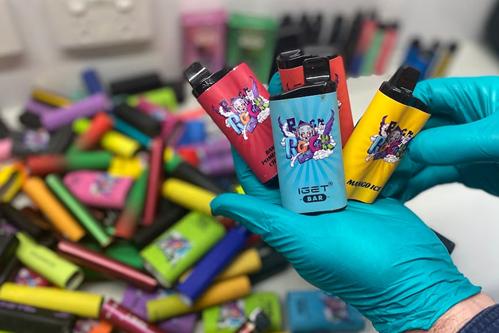
- Bright colours and toy-like designs (e.g., “iget bar”, “elf bar” branding)
- Sweet flavour names — many of which are now restricted under the 2024 reforms
- Influencer partnerships targeting 16–24 year olds
Cancer Council Australia and the Australian Medical Association have both cited youth marketing as a primary driver of the ban.
3.4 Environmental and waste impact
Disposable vapes Australia generated an estimated 5 million+ units of single-use plastic and lithium waste annually before the ban. CSIRO data shows each disposable contains:
- ~1.6 g of plastic (housing, mouth piece)
- A lithium-ion cell (often unlabelled, posing fire risk in general waste)
- Integrated coil and wick (mixed metal waste)
This is unique to disposables — refillable kits and pods replace these components instead of discarding them.
3.5 No clinical support for quitting
Disposable vapes typically have no support infrastructure for adults genuinely trying to quit. They do not pair with GP-supervised cessation plans, do not titrate nicotine strength, and have no formal behavioural support.
By contrast, regulated nicotine-vaping products in Australia require a prescription and typically come with GP guidance — a model closer to the RACGP 2024 Supporting Smoking Cessation guideline.
4. Disposable vapes Australia vs regulated vaping (comparison table)
| Feature | Illegal disposables (Australia 2027) | TGA-regulated devices |
|---|---|---|
| Legal status | Banned — civil and criminal penalties | Prescription only |
| Manufacturing standards | None verified | TGA-registered laboratory |
| Ingredient disclosure | Often undisclosed | Full disclosure required |
| Nicotine strength | Variable (often mislabelled) | Capped at 100 mg/mL base; 20 mg/mL finished |
| Flavour options | Often sweet, youth-targeted | Restricted to mint/menthol/tobacco in some retail channels |
| Youth appeal marketing | Common on social media | Restricted under advertising code |
| Support for quitting | None | GP-prescribed with behavioural support |
| Environmental impact | Single-use plastic + lithium waste | Reusable devices; recyclable pods |
| Approval pathway | None | Authorised prescriber |
The distinction matters: regulated devices are not “safe”, but they are predictable in a way illegal disposables are not.
5. Legal consequences under Australian law
Penalties for selling, supplying or importing disposable vapes Australia without authorisation vary by state but include:
- Federal: Importation offences under the Customs Act 1901 — fines up to AUD 1.1 million and 10 years’ imprisonment for individuals.
- NSW: Up to AUD 11,000 for first offence, escalating for repeat offences under the Public Health (Tobacco and Other Products) Act 2023.
- Victoria: Penalties for sale and supply under the Tobacco and Other Products Act 2023.
- Queensland, WA, SA, Tas, ACT, NT: Each state has its own offence schedule.
Possession of small personal quantities is generally not criminalised, but supply (even gifting) is.
For current specifics, see TGA vaping reforms and your state health department.
6. What adults should do instead
For adult smokers and vapers in Australia, the post-reform pathway is clear:
- If you want to quit: Speak with your GP or call Quitline (13 7848). Approved first-line pharmacotherapies (varenicline, NRT, bupropion) are still the most clinically supported options.
- If you want to continue vaping nicotine: See an authorised prescriber for a prescription. Pharmacy dispensing follows the TGA pathway.
- If you currently use disposables: Do not stockpile illegal product. Speak with your GP about switching to a regulated device or quitting entirely.
Adults with a current nicotine dependency should not be criminalised for personal use, but they should seek medical guidance — not unregulated retail product.
7. How to spot illegal disposables
If you see product matching any of these in Australia, it is almost certainly illegal:
- No TGA-authorised prescriber label
- Sweet flavours outside the mint/menthol/tobacco schedule
- No Australian supplier contact or address
- Imported from overseas with no commercial quantity statement
- Sold via social-media DMs or unverified online stores
Reporting suspected illegal sales: contact your state health department or the TGA’s reporting portal.
8. Australian regulations summary (2027)
| Layer | Status (2027) |
|---|---|
| Nicotine vapes (any form) | Prescription only (TGA) |
| Non-prescription disposable vapes | Banned since 1 January 2024 |
| Personal importation | Capped at 3 months’ supply with prescription |
| Flavours | Restricted to mint/menthol/tobacco in some retail channels |
| Advertising | Restricted under advertising code |
| Age verification | 18+ (some states 21+) |
| State variations | WA has additional restrictions; check state laws |
9. Frequently Asked Questions
Are disposable vapes legal in Australia in 2027?
No. Non-prescription disposable vapes have been banned across Australia since 1 January 2024. Nicotine-containing vapes of any kind require a TGA prescription. Possession for personal use is generally not criminalised, but sale, supply or importation without authorisation carries significant civil and criminal penalties under federal and state law.
Why are disposable vapes banned in Australia?
Disposable vapes in Australia were banned because of unregulated manufacturing, undisclosed ingredients, deliberate marketing to adolescents, environmental damage from single-use plastics and lithium cells, and lack of clinical support for smokers trying to quit. The reforms took effect on 1 January 2024 under the Vaping Reforms Act 2024.
Can I bring disposable vapes to Australia when I travel?
No. Importing disposable vapes without a TGA prescription is prohibited. The Australian Border Force can seize product at the border, and individuals may face fines or prosecution. Personal nicotine-vape importation is capped at a 3-month supply under prescription.
What happens if I get caught with disposables in Australia?
Personal possession of small quantities is generally not criminalised, but state-by-state penalties apply for sale or supply. Retailers can face fines up to AUD 11,000 in NSW (escalating for repeat offences) and importer penalties up to AUD 1.1 million and 10 years’ imprisonment under federal law.
What’s a regulated alternative to disposable vapes?
TGA-registered refillable pod kits and devices supplied through an authorised prescriber. These come with full ingredient disclosure, batch testing, and the option to titrate nicotine strength. Your GP or Quitline (13 7848) can advise whether prescribed nicotine vaping is appropriate for you.
Are disposables more dangerous than refillable vapes?
Refillable vapes are not risk-free, but they are subject to TGA manufacturing standards and ingredient disclosure. Illegal disposables in Australia before the ban had inconsistent nicotine concentrations, undisclosed flavouring additives, and were not subject to batch testing — which is why the 2024 reforms singled them out as the highest-risk product category.
What are the penalties for selling disposable vapes in Australia?
Federal importers face up to AUD 1.1 million in fines and 10 years’ imprisonment. State-level retailers face civil penalties — for example, up to AUD 11,000 per offence in NSW, escalating for repeat offences. State laws vary; check your state health department’s current schedule.
Why did the Australian government ban disposable vapes?
The government cited youth-marketing concerns (use among 14–17 year olds doubled between 2019 and 2022), environmental damage from single-use plastic and lithium waste, undisclosed ingredient testing by the TGA, and the need to bring all nicotine vapes into the prescription framework modelled on other pharmacotherapies.
10. References
- Parliament of Australia. Therapeutic Goods and Other Legislation Amendment (Vaping Reforms) Act 2024. legislation.gov.au
- Therapeutic Goods Administration (TGA). Vaping reforms: information for consumers, health professionals and retailers. tga.gov.au
- Department of Health and Aged Care. Vaping and e-cigarette control in Australia. health.gov.au
- Royal Australian College of General Practitioners (RACGP). Supporting smoking cessation: a guide for health professionals. 2024 update.
- Cancer Council Australia. Position statement on e-cigarettes. cancer.org.au
- Australian Medical Association (AMA). Position statement on e-cigarettes and youth vaping. ama.com.au
- CSIRO. Single-use consumer products: environmental impact assessment. csiro.au
- ACCC. Product safety Australia: vaping device recalls 2022–2023. productsafety.gov.au
- Quit Victoria. Quitline information. 13 7848. quit.org.au
Disclaimer: Educational only. Not legal or medical advice. Always consult a qualified Australian healthcare professional before making decisions about nicotine use, smoking cessation or vaping regulations in your state.
Related Articles
Anna • 9 min read
What Is Vaping? The Complete Australian Guide ⚠️ Australia 2027: All nicotine vapes require a TGA prescription. Non-prescription disposables are banned. This article is educational — not medical advice. Call Quitline 13 7848 for cessation support. Do not vape if you are under 18, pregnant, or a non-smoker. 1. Quick summary What is vaping? Vaping
Anna • 7 min read
Is Vaping Safer Than Smoking? What the 2027 Evidence Says ⚠️ Australia 2027: Nicotine vapes require a TGA prescription. Most disposables have been banned since 1 January 2024. This article is educational — not medical advice. Call Quitline 13 7848 for cessation support. 1. Quick answer Is vaping safer than smoking? Yes — substantially —
Anna • 4 min read
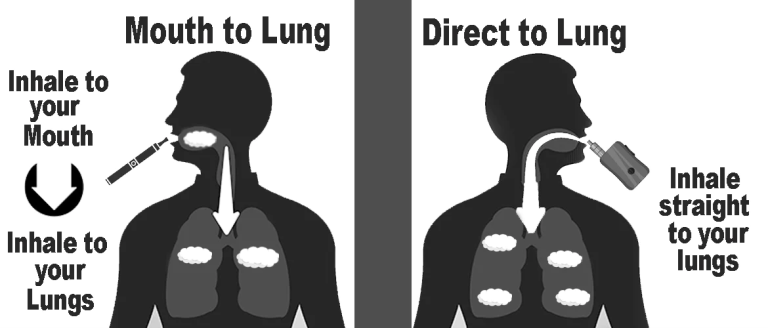
What is MTL and DTL Vaping? A Complete Australian Guide ⚠️ Australia 2027: Nicotine vaping requires a TGA prescription7Most disposables are banned. This article is educational — not medical advice.Call Quitline 13 7848 for cessation support. 1. What MTL and DTL Vaping Actually Means MTL and DTL vaping are the two main inhalation styles every
Anna • 8 min read
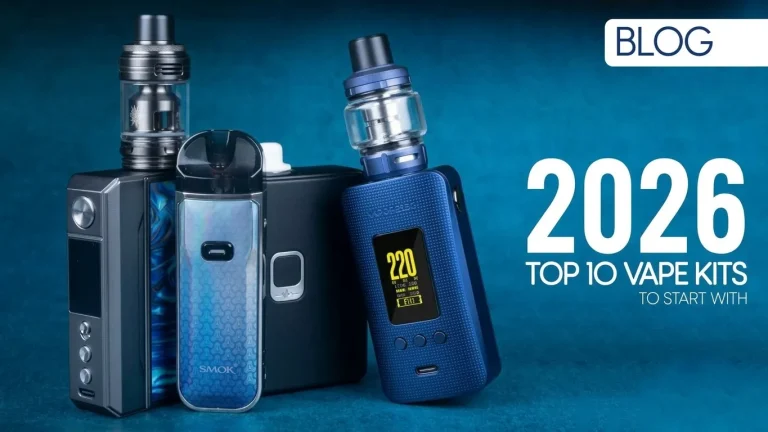
How We Picked the Best Vapes Australia 2026 The original “best vapes of 2023” list focused on refillable pod systems and box mods, but the Australian vaping market has shifted dramatically since then. With the 2026 disposable vape boom and the TGA’s 2024 scheduling changes restricting nicotine e-liquid sales, most adult Australian vapers now reach
Anna • 7 min read
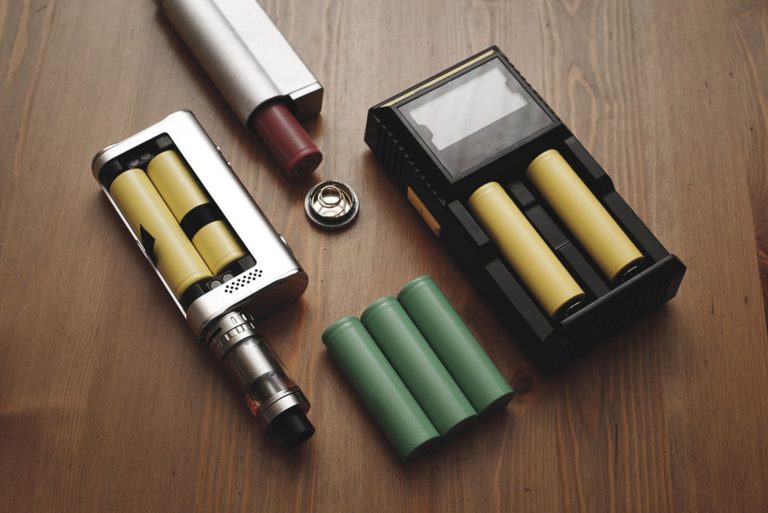
Why Vape Battery Safety Matters More Than You Think Vape battery safety is one of the most overlooked aspects of responsible vaping. While most modern devices include built-in protection circuits, the difference between a safe charging habit and a risky one can mean the difference between a battery that lasts 12 months and one that
Anna • 6 min read
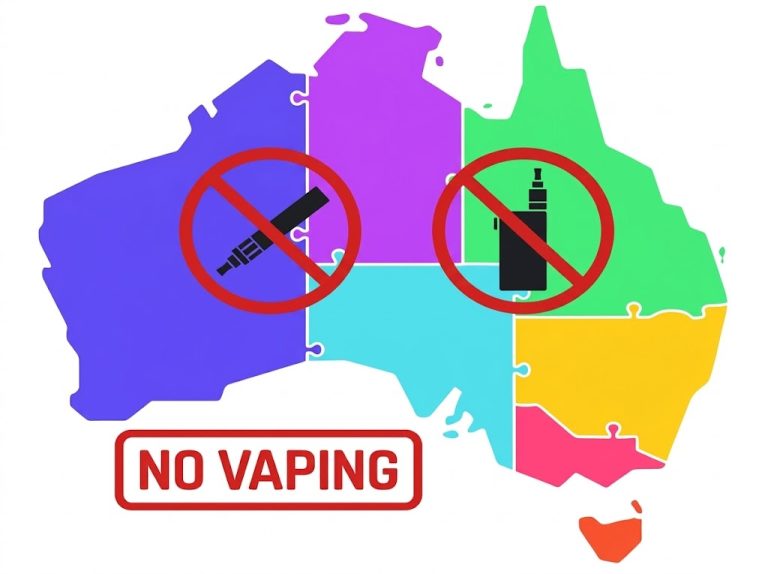
Australia Vape Ban 2026: The Current State Explained Australia vape ban 2026 has reshaped the local vaping market, but it’s not the outright prohibition many adult vapers feared back in 2023. Three years after the original regulatory shake-up, the rules have settled into a more nuanced framework — and the good news for adult vapers